
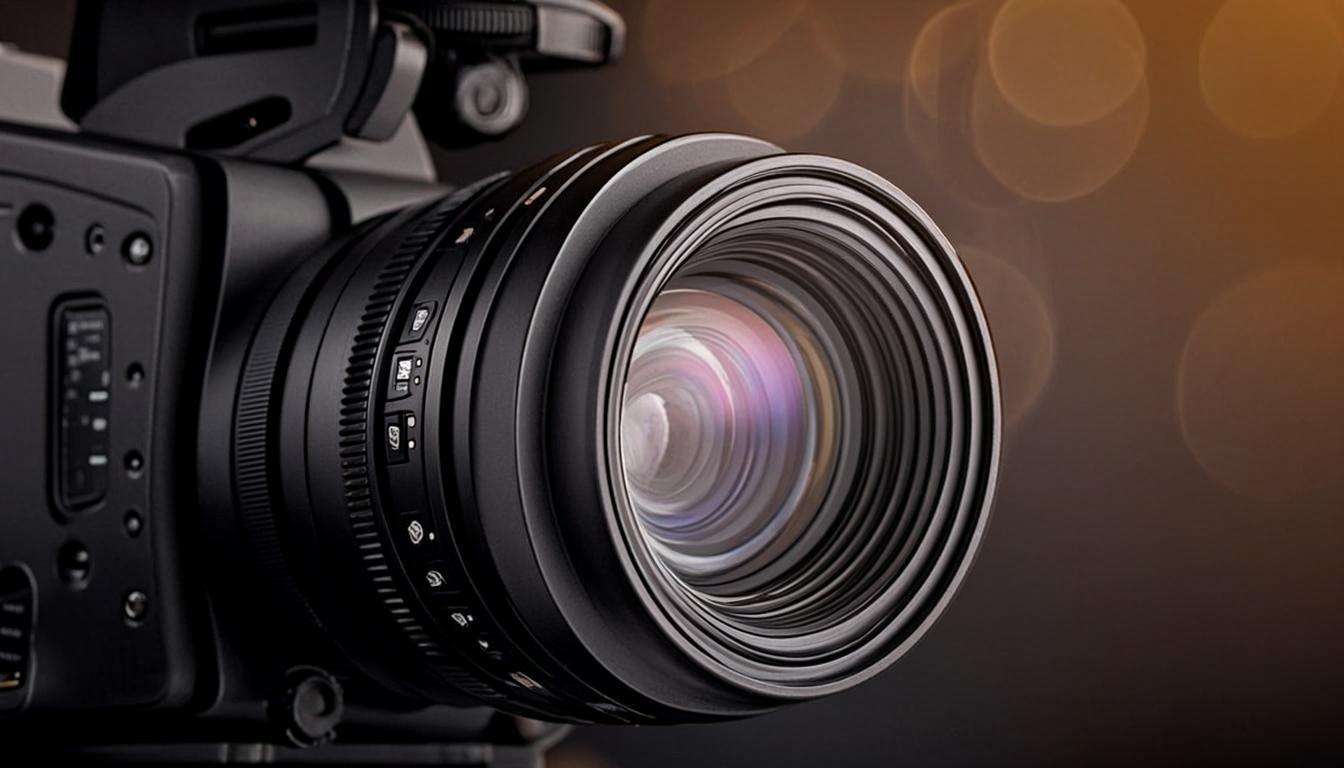
Cinematography, at its most refined, transcends the mere recording of images. It becomes an act of creation — a dialogue between light and shadow that speaks directly to the soul. The great cinematographers understand that every beam of light that enters their lens carries with it the potential for beauty, for truth, for emotional revelation.
The Painter's Eye Behind the Lens
The relationship between painting and cinematography is ancient and intimate. From the chiaroscuro masters of the Renaissance to the Impressionists' obsession with the fleeting qualities of natural light, painters have long understood what cinematographers now bring to the moving image: that light is not merely illumination but emotion made visible.
When a cinematographer frames a shot, they are composing with the same deliberation as a painter approaching a canvas. The placement of figures within the frame, the interplay of highlight and shadow, the careful orchestration of color temperature — each decision serves the narrative while simultaneously creating a moment of visual poetry that could stand alone as a work of art.
Light as Narrative
In the finest films, light tells its own story alongside the characters. A warm glow that gradually cools as a relationship fractures. The harsh midday light that softens into golden reverie as a memory takes hold. The way a single shaft of light through a window can transform an ordinary room into a cathedral of emotion.
"Cinema is a matter of what's in the frame and what's out." — Martin Scorsese
The mastery of cinematographic light lies not in its abundance but in its restraint. The most powerful moments in cinema often occur in near-darkness, where a sliver of light reveals just enough to ignite the viewer's imagination. This is the art of suggestion, of implication — the understanding that what we perceive is often more moving than what we are shown.
The Future of Visual Artistry
As technology continues to evolve, offering cinematographers ever more sophisticated tools for shaping and controlling light, the fundamental art remains unchanged. The true masters of the craft will always be those who use these tools not as ends in themselves but as instruments in service of a deeper creative vision — one that honors the ancient tradition of visual storytelling while pushing boldly into new territories of expression.